Vegan and Vegetarian Hot Dog Ideas Worth Trying

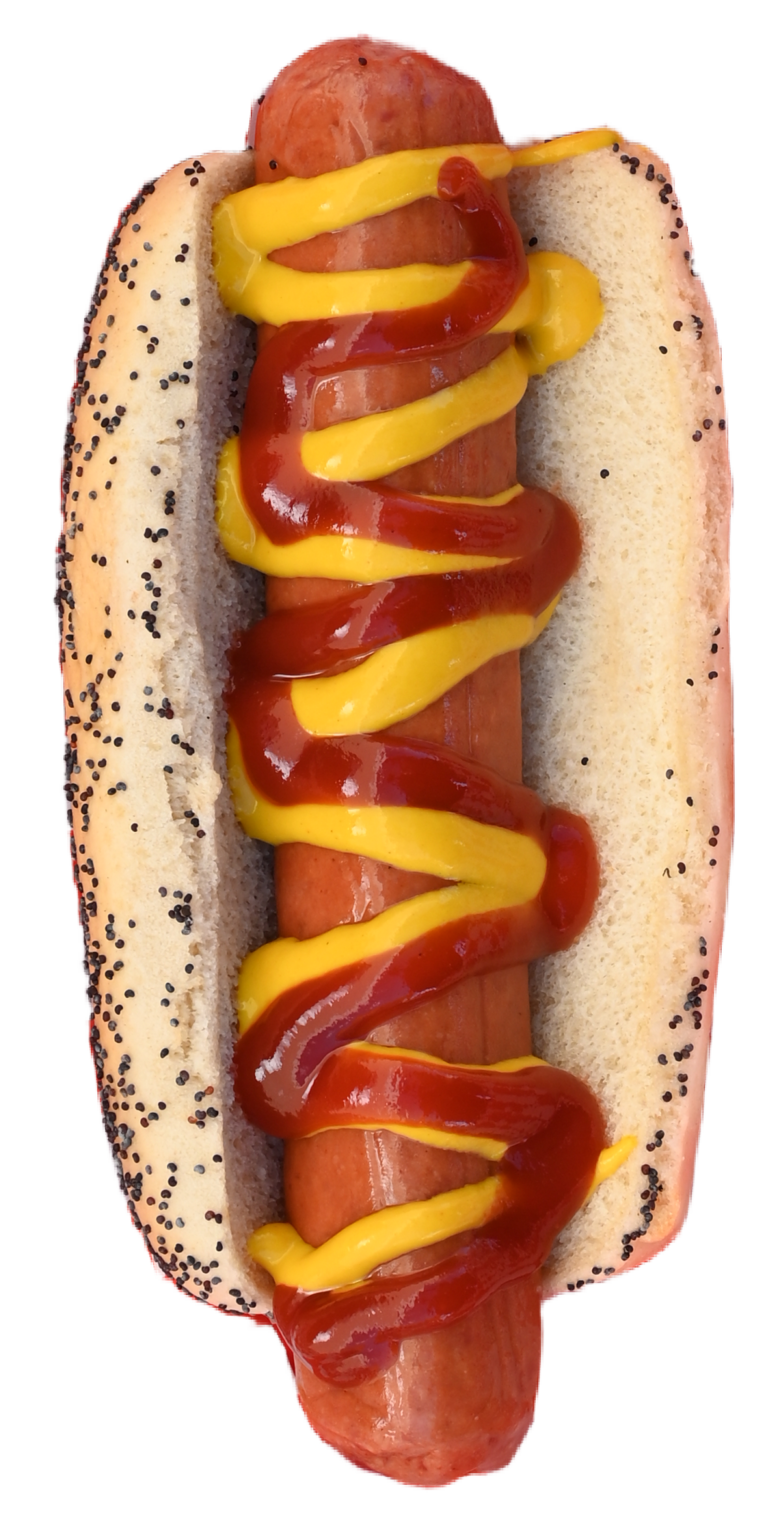

A good hot dog sits at the crossroads of comfort food and improvisation. It can be quick, cheap, nostalgic, a little messy, and surprisingly nuanced when someone gives it proper attention. That is especially true with vegan and vegetarian versions. For years, meat-free hot dogs carried a reputation for being pale imitations, the kind of thing you bought for one guest at a cookout and apologized for while serving. That era is mostly over. The better products now have snap, smoke, and enough savory depth to stand up to mustard, onions, relish, chili, and all the other aggressive toppings that define the category.
Still, the biggest shift is not the products themselves. It is the mindset. A vegetarian or vegan hot dog does not have to chase a perfect copy of a classic https://devingqeh033.image-perth.org/how-to-choose-the-best-hot-dogs-at-the-grocery-store frank to earn a place on the plate. Some of the best versions lean into what plants and dairy do well, whether that means a carrot with a smoky glaze, a grilled halloumi sausage tucked into a toasted bun, or a mushroom based dog loaded with spicy slaw. Once you stop asking whether it tastes exactly like a ballpark frank, more interesting options open up.
I have made meat-free hot dogs for backyard cookouts, family dinners, late-night apartment meals, and one memorable camping trip where the vegetarian dogs disappeared before the standard ones did. The recurring lesson is simple. People care about flavor, texture, and balance far more than labels. If the dog is hot, the bun is toasted, the topping combination makes sense, and the whole thing eats cleanly enough to go back for a second, you are in business.
What makes a meat-free hot dog actually work
Texture comes first. A vegan or vegetarian hot dog needs some resistance when you bite into it. The best ones have a casing or exterior that firms up on the grill or in a skillet. The weak ones turn soft and uniformly mushy, which makes the entire bun feel damp and flat. If you are buying packaged products, check whether the brand is designed for grilling, pan searing, or boiling. That detail matters more than people think. Some dogs that taste fine when steamed become oddly rubbery over direct heat, while others only come alive once they pick up char.
Flavor is the second hurdle. Meat-based hot dogs rely heavily on smoke, salt, garlic, onion, paprika, and a little sweetness. Plant-based versions need the same backbone. If the dog itself tastes underseasoned, no amount of condiments can fully rescue it. This is where toppings should support, not conceal. Sharp yellow mustard can brighten a rich dog, and sauerkraut can add acid and crunch, but neither can create depth where none exists.
Then there is structure. A hot dog is a narrow, portable food with a very specific engineering problem. Everything must fit into the bun and stay there long enough to eat. Some homemade vegetarian sausages are delicious in slices or on a plate, but too crumbly for bun duty. A good hot dog filling, vegan or otherwise, has to hold together from first bite to last.
The easiest path, starting with store-bought dogs
There is no shame in using prepared vegan or vegetarian hot dogs. In fact, for most weeknight meals and casual gatherings, it is the smartest move. Better grocery stores now carry several styles, usually soy based, pea protein based, seitan based, or mixed vegetable and grain versions. Each has a different personality.
Soy based dogs tend to be familiar and mild. They take well to classic toppings and appeal to people who want a straightforward cookout feel. Pea protein versions often have a firmer bite and richer savory profile, though some brands can be a little dense if overcooked. Seitan dogs usually bring the chewiest texture, which many people love in a bun, especially when grilled. Vegetable forward dogs, the kind made with visible grains or mushrooms, can be excellent, but they behave more like a separate category. Pair them with toppings that match their earthier flavor rather than forcing them into a generic stadium setup.
What matters most is how you cook them. I would take a decent vegetarian dog with proper browning over a premium one that was microwaved into softness. A skillet with a thin film of oil gives reliable results. Medium heat, a few turns, and enough time for the outside to blister slightly will do more for flavor than any fancy topping bar. Grilling is even better when the dog is sturdy enough to handle it. Boiling is serviceable but rarely ideal unless you are chasing old-school concession stand nostalgia.
Buns matter too. A hot dog bun should be soft enough to compress around the filling but substantial enough not to dissolve under sauerkraut, chili, or juicy onions. Toasting the inside face in butter or olive oil changes the whole experience. Vegan butter works well here, though olive oil gives a cleaner edge if the toppings are already rich.
Toppings that flatter plant-based dogs instead of fighting them
The fastest way to improve a vegan or vegetarian hot dog is to match the toppings to the style of dog underneath. This sounds obvious, but it is where many home cooks miss. A smoky seitan dog wants acid and crunch. A milder soy dog benefits from stronger condiments. A vegetable heavy dog needs freshness so it does not feel muddy.
Classic mustard, relish, and onions remain hard to beat. They work because they hit several notes at once. Mustard cuts through fat and salt. Relish adds sweetness and acidity. Onions bring bite and aroma. The trio makes even a basic dog taste more complete. If you want to refine that formula, switch from raw white onion to quick-pickled red onion, or use a coarse deli mustard with celery seed and a little heat.
Sauerkraut deserves more love in meat-free hot dog cooking. It contributes acidity, salinity, and a little funk, all of which help mimic the complexity that smoked meat often supplies. Warm it gently before serving so it does not chill the dog. A spoonful of caraway can push it toward a deli profile. A spoonful of apple adds sweetness if the kraut is especially sharp.
Chili is another strong option, but vegan chili on a hot dog should be thicker than bowl chili. If it runs, the bun loses. Lentils, walnuts, finely chopped mushrooms, and textured vegetable protein all make convincing chili toppings when simmered with tomato paste, cumin, chili powder, and enough salt. Add shredded cheese if you are serving vegetarians, or a tangy vegan cheese sauce if you want the full dairy-free route.
Slaws are underrated here. A crisp cabbage slaw with vinegar, a little sugar, and black pepper can make a rich hot dog feel lighter and more modern. Creamy slaws work too, though they are best with strongly seasoned dogs so the whole thing does not skew bland.
Ideas worth trying when you want more than mustard and relish
The fun of a meat-free hot dog is that it invites reinterpretation. The format is familiar, but the fillings can travel.
A Chicago-inspired vegetarian hot dog works better than many people expect. Use a firm dog, then pile on yellow mustard, neon relish if you can find it, chopped onion, tomato wedges, sport peppers, a pickle spear, and celery salt. It is less about imitation than about contrast. The bright, briny toppings do heavy lifting and turn a simple vegetarian dog into something lively and complete. The only trick is proportion. Keep the tomato small and the pickle narrow so the structure holds.
A chili cheese version is the crowd-pleaser for mixed groups. Make a dense, spoonable vegan chili and either finish with sharp cheddar for vegetarians or use a cashew based cheese sauce sharpened with pickled jalapeño brine. The key is to stop before excess takes over. A hot dog buried under too much chili becomes knife-and-fork food, which defeats the point.
For a sharper, more grown-up profile, try grilled onions cooked down with a splash of beer, spicy brown mustard, and sauerkraut. This is especially good with seitan dogs because the chew matches the assertive toppings. Add a little horseradish if you want heat without sweetness.
One of my favorite summer versions uses avocado, charred corn, lime, cilantro, and a quick pickled jalapeño. It sounds less traditional because it is, but the creamy avocado and acidic peppers fit beautifully with smoky plant-based dogs. It works best with versions that have visible grill marks and a little chili powder rubbed on before cooking.
Then there is the barbecue angle. Brush the dog with barbecue sauce during the last minute of grilling so it caramelizes without burning. Top with crispy onions and a sharp slaw. This style consistently wins over skeptical eaters because the familiar sweet-smoky profile leads the experience.
The carrot hot dog, still worth making if you do it properly
Carrot hot dogs are easy to mock until you eat a well-made one. A badly made carrot dog tastes like, unsurprisingly, a warm carrot in a bun. A good one has smoke, salt, sweetness, and enough tenderness to mimic the gentle bite of a steamed frank. It is not a replica, but it can be excellent.
The process is simple enough to be practical. Peel large carrots, trim them so they fit the buns, then simmer just until barely tender. After that, marinate them in a mixture built around soy sauce or tamari, vinegar, maple syrup, smoked paprika, garlic, onion powder, and a little neutral oil. Liquid smoke is optional but useful if you are not grilling. Let them sit overnight if possible. Then grill or pan sear them until lightly blistered.
What surprises people is how much bun and topping choice matters with carrot dogs. Because the filling is naturally sweet, toppings should pull in the other direction. Sauerkraut, mustard, pickled onions, and peppery slaw all work. Ketchup can make the whole thing feel candied. I avoid it here.
The carrot version also benefits from visual confidence. If you serve it with the same care you would give any other hot dog, toasted bun, neat placement, warm toppings, people respond to the finished dish rather than the ingredient list.
Vegetarian hot dogs that use dairy to their advantage
Vegetarian cooking has one big advantage over vegan cooking in this category. Cheese can carry salt, richness, and structure in ways that are genuinely useful. Halloumi is the obvious example. Cut into long batons, grilled until marked and squeaky, then tucked into a bun with chopped herbs, tomatoes, and a swipe of harissa yogurt, it becomes something close to a hot dog in spirit, even if not in strict form. The saltiness of the cheese does much of the work a sausage would normally do.
Paneer can also work, though it needs more help. It is milder than halloumi, so marinate it first with yogurt, garlic, ginger, paprika, and garam masala, then grill or roast until the edges color. In a bun with mint chutney, pickled onion, and shredded lettuce, it turns into a street-food-style hot dog that feels complete rather than compromised.
Another smart vegetarian route uses egg in the binder for homemade sausages. If you have ever made a bean or grain sausage that fell apart, you know the frustration. Egg, along with breadcrumbs or oats, solves much of that. White beans, roasted mushrooms, parmesan, fennel seed, and black pepper can produce a sausage that slices beautifully and also holds in a bun. This is more weekend cooking than weeknight convenience, but the payoff is real.
Homemade vegan dogs for people who like kitchen projects
Making a vegan hot dog from scratch is absolutely possible, and when done well, it delivers the most control over flavor and texture. The catch is that it is not quick. Most successful versions rely on vital wheat gluten for chew, plus beans, tofu, or chickpea flour for body. Seasoning usually includes smoked paprika, garlic, onion, mustard powder, nutritional yeast, soy sauce, and oil. The mixture is shaped, wrapped, and steamed before a final grill or sear.
What you gain is custom texture. If store-bought dogs feel too soft, you can make a firmer seitan style. If you want stronger smoke or more garlic, adjust it. If you are feeding a group with multiple dietary restrictions, homemade gives you control over sodium and allergens, though not always all at once.
The challenge is restraint. Many first-time recipes throw every savory pantry item into the mix, and the result tastes muddy. Hot dogs should be punchy, not crowded. A few dominant notes, smoke, garlic, pepper, mustard, are more effective than ten subtle ones competing.
Homemade dogs also freeze well after steaming. That makes them more practical than they first appear. Spend one afternoon making a batch and you can pull them out for future cookouts or fast dinners.
Regional styles adapt surprisingly well
Some of the best vegetarian and vegan hot dog ideas come from borrowing regional hot dog logic rather than copying exact meats. The logic matters more than the original protein.
A New York style topping of onions in tomato sauce works beautifully on mild vegan dogs. The sweetness of the onions and the savoriness of the sauce create the kind of depth that plant-based products sometimes need. Keep the sauce thick and seasoned with paprika and a touch of vinegar.
A Sonoran-inspired setup can also shine, even without the bacon that usually defines it. Think pinto beans, diced tomato, onion, jalapeño salsa, mustard, and a little vegan mayo or crema. It is messy, yes, but the bean component adds body and makes the hot dog feel like a full meal.
A Scandinavian-inspired version with crispy fried onions, remoulade, pickles, and herbs suits both traditional vegetarian dogs and carrot dogs. It leans on acid and crunch, which are nearly always welcome.
The main lesson is not authenticity theater. It is that established topping traditions exist for good reasons. They solve balance problems. They know when to add sweetness, when to add acid, and when to stop before the whole thing becomes chaotic.
Practical combinations that consistently work
If you want dependable ideas without overthinking, these five combinations are worth keeping in rotation:
- Grilled vegan dog, yellow mustard, sauerkraut, and diced onion
- Carrot hot dog, spicy brown mustard, pickled red onion, and cabbage slaw
- Seitan dog, beer onions, deli mustard, and warm kraut
- Vegetarian dog with chili and cheddar, or vegan chili with dairy-free cheese sauce
- Barbecue glazed dog, crispy onions, and vinegar slaw
Each one solves a different craving. The first scratches the ballpark itch. The second feels bright and lighter. The third leans robust and savory. The fourth is comfort food in the purest sense. The fifth is made for summer.
A few mistakes that drag the whole thing down
Most disappointing meat-free hot dogs fail for predictable reasons. The dog is undercooked, the bun is cold, or the toppings are applied without thinking about moisture. There is also a tendency to overload. Because some people assume vegetarian food needs more decoration, they stack six or seven toppings that fight each other. A hot dog needs focus.
These are the errors I would avoid:
- Microwaving the dog when a pan or grill is available
- Skipping acid, especially with rich or smoky fillings
- Using a weak bun that cannot handle moist toppings
- Piling on so much chili or slaw that the dog becomes impossible to eat
- Treating every meat-free dog as interchangeable
That last point matters more than it seems. A smoky seitan dog, a soy frank, and a marinated carrot each need different support. Once you recognize that, the whole category gets easier.
Serving these to mixed crowds without making it a separate meal
If you are cooking for vegetarians, vegans, and meat eaters at the same event, the smoothest approach is to make the topping bar the star and let the proteins sit side by side. Most guests will build around condiments anyway. Put out two or three excellent mustards, one onion option, something pickled, a slaw or kraut, and one richer topping like chili or cheese sauce. Keep labels clear. Use separate tongs. Toast buns to order if you can.
What often wins people over is not the argument for plant-based eating. It is the fact that the vegan or vegetarian hot dog looks and smells like a food someone wants right now. Grill marks do that. Warm buns do that. A pan of onions sizzling nearby does that. Presentation is part of flavor, especially with something as emotionally loaded as a hot dog.
I have watched skeptical guests take a vegan dog almost as a dare, then come back for another once they realized it was well seasoned and properly dressed. That reaction is common because hot dogs were never just about meat. They are about salt, smoke, softness, crunch, tang, and the pleasure of eating with your hands.
Where the category is headed, and why it has become more interesting
Vegan and vegetarian hot dogs have improved because cooks stopped treating them as a single product with a single purpose. There is room now for faithful stand-ins, vegetable-driven reinterpretations, and hybrid ideas that borrow from other cuisines. That range is healthy. It means you can choose based on appetite rather than ideology.
Some nights, the right answer is a store-bought vegan frank with mustard and relish, cooked until the skin blisters. Other nights, it is a grilled carrot with kraut and pickled onions, or a halloumi baton in a bun with herbs and yogurt sauce. The best choice depends on who is eating, what you are craving, and how much work you want to do.
The phrase hot dog still brings with it certain expectations: ease, pleasure, portability, and just enough indulgence. Vegan and vegetarian versions can meet those expectations without apology now. They do not need to be consolation prizes. When handled with a little judgment, they become the kind of meal people ask for again, which is the only standard that really matters.
Under Construction Hot Dogs
1225 W U.S. Hwy 50, Pueblo, CO 81008
FAQ About hot dog
What are different types of hotdogs?
Under Construction Hot Dogs offers a classic all-beef hot dog, a quarter-pound Jumbo Dog, a Chili Dog, and a Chicago Dog, along with brats and a Spicy Link.
What does a chili dog have on it?
Our Chili Dog pairs a Vienna all-beef hot dog with chili, shredded cheddar cheese, and finely diced onions.
What is in a traditional Chicago dog?
Our Chicago Dog comes on a steamed poppy seed bun with yellow mustard, bright green relish, onions, tomato wedges, a pickle spear, sport peppers, and celery salt.